Cost of Goods Sold (COGS) Calculator
Compute COGS for any accounting period — month, quarter, or year. Add your revenue to get gross profit and gross margin in the same view.
COGS = beginning inventory + purchases − ending inventory. Gross profit = revenue − COGS. Gross margin = gross profit ÷ revenue.
Your numbers
Edit any field — results update as you type.
Every fee on Etsy, Shopify, Amazon Handmade and at markets, on one page. We'll email it to you too.
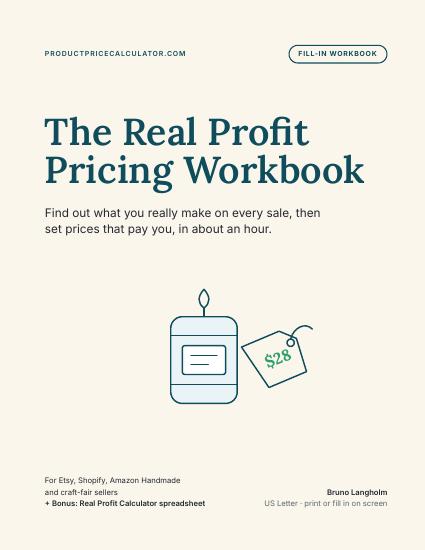
- Your time, fees and shipping counted in
- A price for every channel you sell on
- Fillable PDF + bonus Excel calculator
Instant download · 30-day money-back guarantee
What's in COGS — and what isn't
In: direct materials, direct labor, freight-in, manufacturing overhead allocated to units sold, packaging that ships with the product.
Out: marketing, sales salaries, rent on your office or store, distribution, software subscriptions, professional fees. Those live below gross profit as operating expenses.
Frequently asked
Related calculators
Gross margin, markup, and profit per sale from cost and price.
OpenSelling price from cost and markup %, with margin equivalent.
OpenMonthly break-even units, revenue, and timing.
OpenThree profit numbers, what each one tells you, and the three things that quietly destroy all of them.
OpenLast reviewed: 2026-09-18